


Condominium Culture and Japanese Bunjo Mansion


Differences in Residence Management between Thailand and Japan?
In recent years, high-rise residential buildings have become increasingly common in urban areas of Thailand.
The type of residence known as “Bunjo Mansion” (日本の分譲マンション) in Japan is referred to as “Condominiums” in Thailand.
While the exterior of these buildings may seem similar, but it has become clear that their expected management is difference.
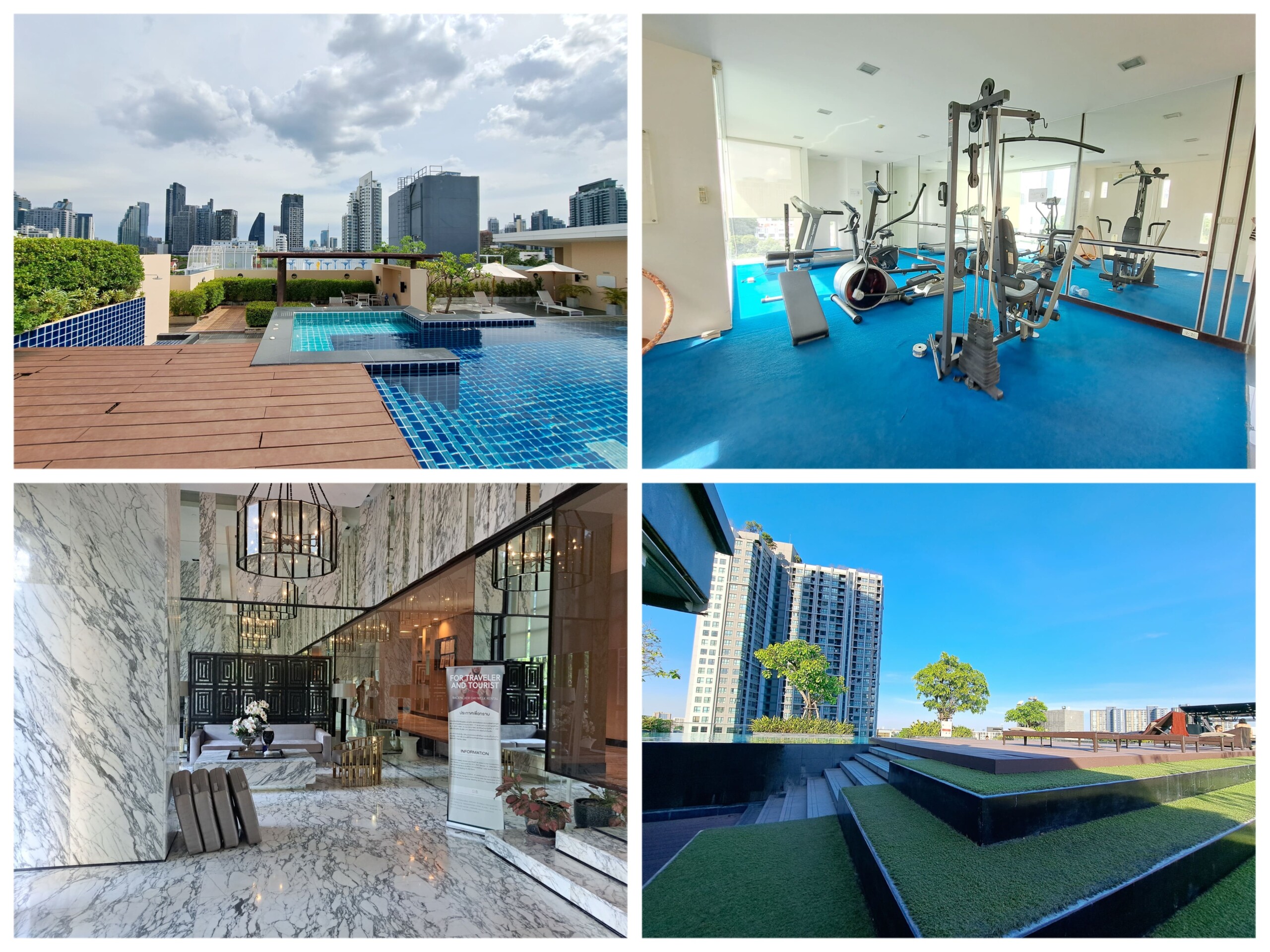
*Common Facilities in Thailand Condominiums
In Thailand condominiums, after the buyer purchased the private unit, they also hold ownership of the land and common area, which is similar to Japan.
However, there is a restriction unique to Thailand that foreign ownership is limited to up to 49% of the total units, a rule that does not exist in Japanese condominiums.
Even so Thailand condominiums often feature luxurious common facilities such as swimming pool, gym, and lounge which is a one of their attractions for the ability to incorporate a sense of luxury into everyday life.
In addition, residents are not only Thai nationals but also many foreigners, creating a diverse and international community.
On the other hand, while management fees tend to be relatively low, systems for long-term repairs and maintenance are sometimes insufficient, and preparing for building aging is considered a challenge.
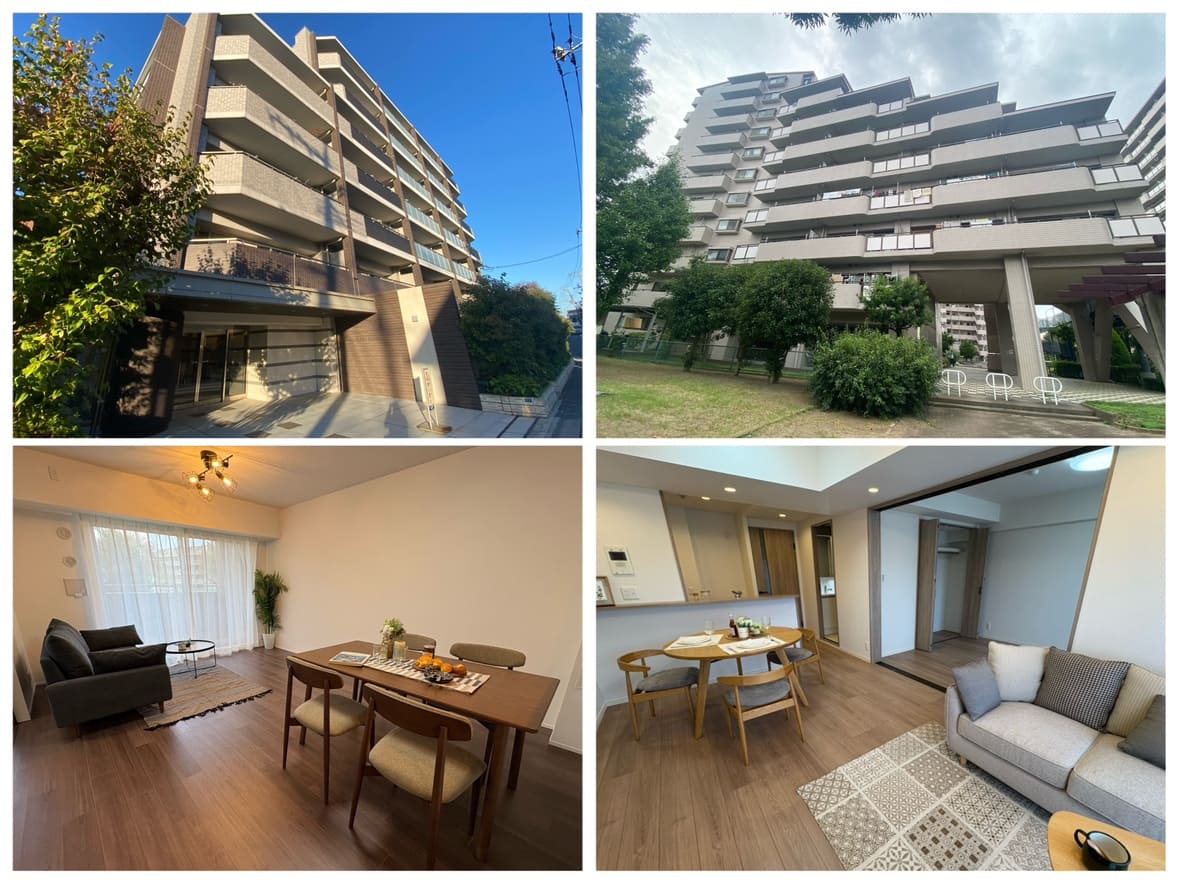
*Renovated Condominium Units in Japan
Japanese condominiums are generally governed by “the Act on Building Unit Ownership”, under which owners hold not only their private units but also hold the right of land.
There are no restrictions on foreign ownership, anyone can freely purchase a unit.
While common facilities tend to be relatively simple, membership in the ownership association is mandatory, and there is a well-established management for collecting reserve funds for repairs in a planned manner. This management helps maintain the building’s value over the long term.
In addition, Japan has a strong importance on consensus-building through residents’ meetings and the selection of board staff. As a result, resident involvement tends to be relatively strong, which can be considered another distinctive feature of Japanese condominiums.
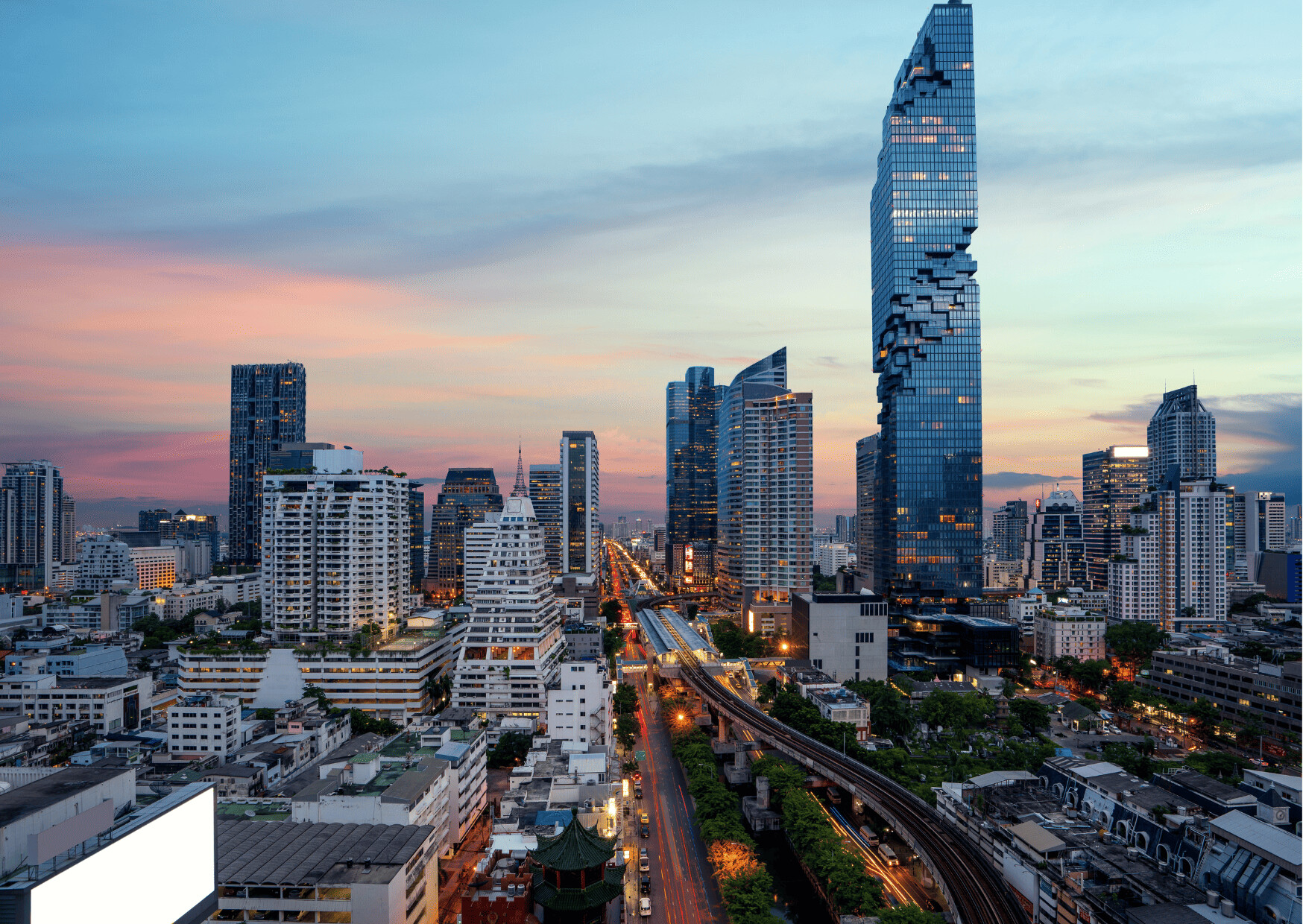
Although both condominiums are similar in unit ownership, but the management expectations lead to very different living experiences for residents.
Living in Thailand, one can enjoy attractive facilities and environment, while living in Japan offers a sense of security through well-organized property management.
In other words, when choosing a residence in Thailand, it may be important to look beyond immediate comfort and consider long-term maintenance and management as well.


 สำหรับผู้ที่ต้องการซื้อคอนโดมิเนียม
ปรึกษา RESI ได้เลย เรายินดีให้คำแนะนำโดยไม่มีค่าใช้จ่าย
 02-022-6500
เวลาทำการ: วันจันทร์ - ศุกร์ เวลา 08.30 ถึง 17.30
(ยกเว้นวันหยุดนักขัตฤกษ์)

