


The Reality of Real Estate Contracts and Transfer of Ownership behind a Mountain of Paperwork and Signatures


Paperwork in Japan, Signatures in Thailand
When it comes to real estate contracts in Japan, you are guided through one document after another. By the time you leave, you are usually handed a thick stack of paperwork. Although digitalization is gradually progressing, but it has not yet fully taken hold.
While we sometimes feel that it must be such a burden for customers on that day…, many people may still feel that moving toward digitalization requires a certain level of courage, especially when their priority is to ensure safe and secure transactions.
In Thailand, there are regulations regarding eligibility for property ownership, such as the land and the condominium act. However, unlike Japan, there is no law equivalent to the real estate business act that directly regulates real estate transactions themselves.
As a result, while the format of contracts is relatively flexible, the preparation required between signing the contract and completing the settlement can be quite demanding.
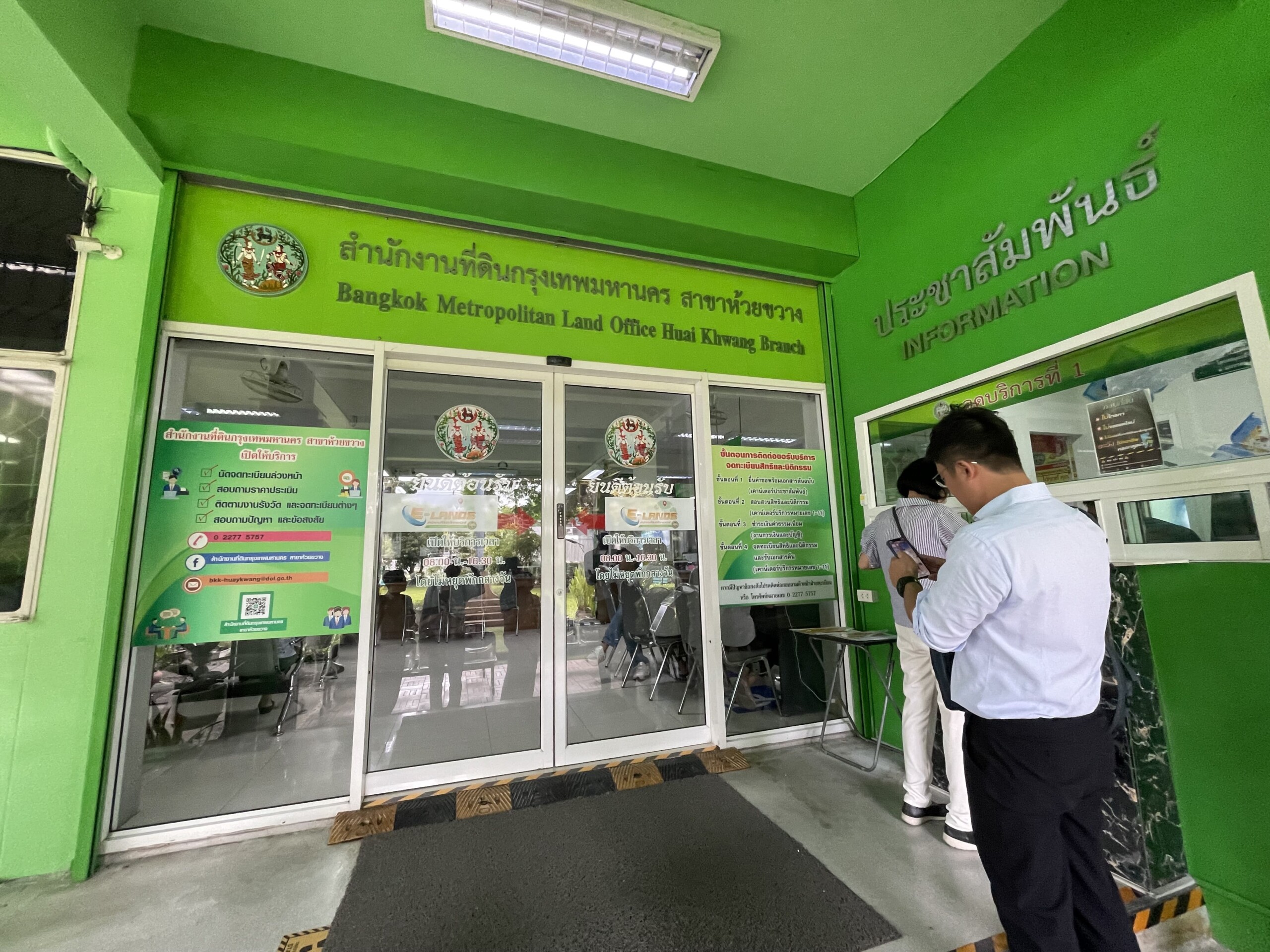
In Thailand, property transactions are completed not at a bank but at the Land Office, and all required documents must be submitted without omission.
For example, identification documents for both parties, company registers, shareholder lists, meeting minutes, title deeds, and casher check… and that is only about half of what is required. In total, the documents can amount to around 150 pages. On top of that, each and every page requires the handwritten signature of the responsible person.
Depending on the counter you are assigned to, you may be asked to provide additional documents, or even go through a series of questions that can feel almost like an interrogation.
Property registration is not digitalized, the Land Office staff are still entering the information using a typewriter.
In Japan, transfers can now be completed with just a click to transfer funds, and applications for property registration are processed almost instantly. However, this is only possible thanks to the extensive preparation and support provided in advance by real estate agents.
In Thailand, on the other hand, the transfer process is a long one that can take up to half a day. Experiencing it firsthand made me realize once again the weight and importance of “the ownership transfer” something that has become easy to overlook in Japan.
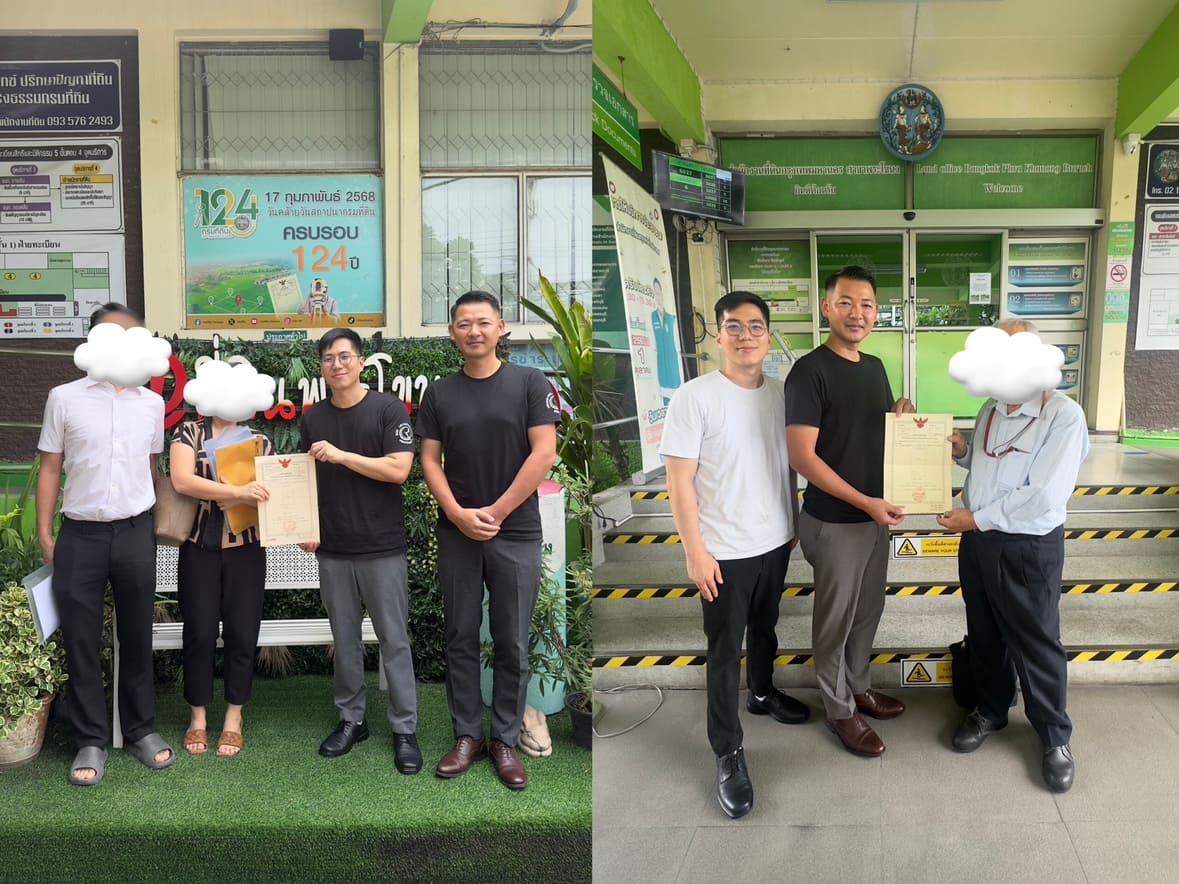
After the ownership transfer is completed, the title deed is handed over, marking the successful completion of the transaction.
Because the preparation takes so much time and effort, the feeling of accomplishment when the transfer concludes smoothly is truly irreplaceable, no matter how many times we experience it.
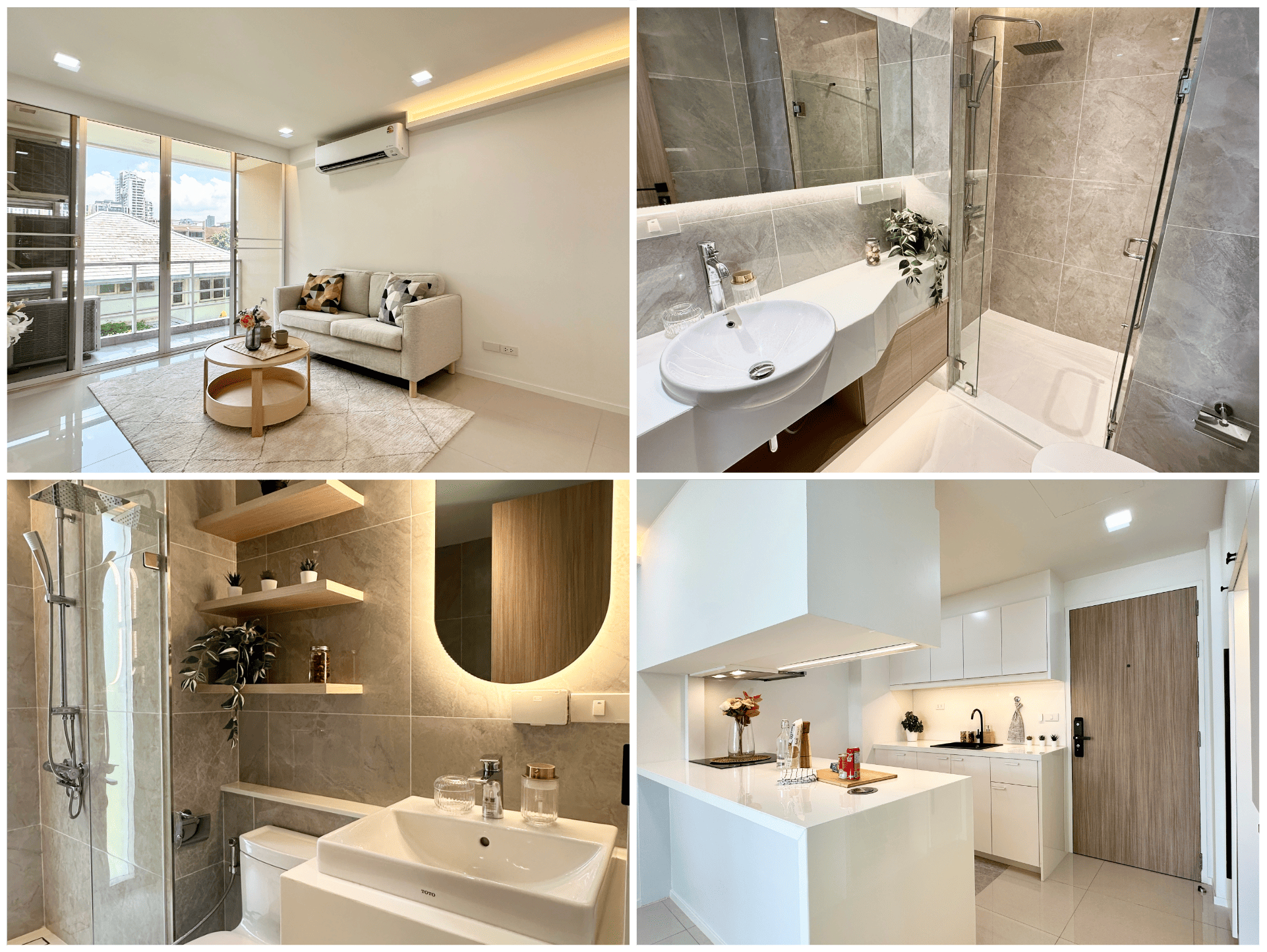
While buying and selling real estate has become part of our daily work, for our clients it is often a once-in-a-lifetime event.
We will continue to carry out our work with this perspective in mind, approaching every transaction with care and dedication.
Source: Residential in Thailand ~Staying & Living Journey Diary~


 Thinking of buying a property?
Contact RESI with confidence.
 02-022-6500
Business Hours : Monday-Friday,8:30am to 5:30pm. (Except public holidays)

